
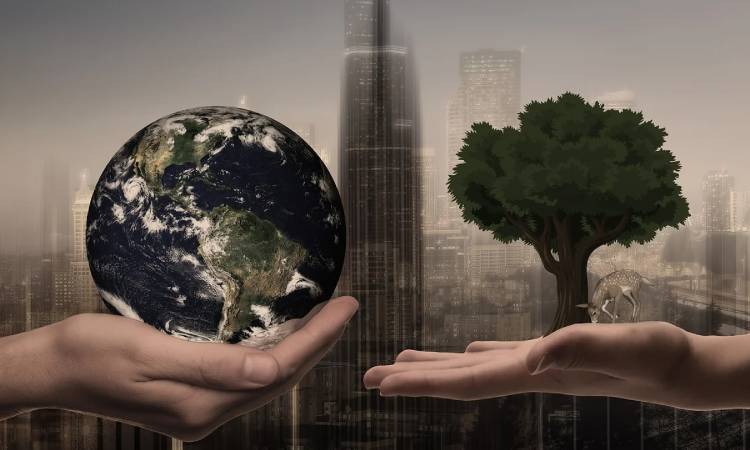
Sustainable development (a widely searched concept also known as sustainable development components and aligned with UN sustainable development goals SDGs) is the development process that concerns the future of the planet. It considers the effects of human activities for development, on the environment, and the ecological system and focuses on creating a better and clean environment for the future (environmental conservation and resource sustainability focus).
Hence sustainable development refers to development activities that meet the present needs without compromising the ability of future generations to meet their own needs (definition of sustainable development according to Brundtland principles). With the increase in industrialization and technology, there was an increase in the deterioration of the environment and many of the natural resources are on the verge of depletion (natural resource depletion and environmental degradation issues).
Hence, humanity is forced to pay attention to the degradation of the environment, and sustainable development plays an important role in business and resource management (sustainable business development practices and green economy transition). The sustainable development goals by the United Nations focus on the conservation of natural resources (UN SDGs environmental protection framework).
The concept of sustainability is a complex approach (sustainability science and environmental economics concept), which is considered the environmental problems caused by various human activities that require urgent and long-lasting solutions (climate change and ecological imbalance challenges). The social ripples take integrated and calculative measures to generate awareness against the need for sustainable development and promote the ways of achieving sustainable development (sustainable awareness and environmental education initiatives).
At the social ripples which is an initiative towards sustainable development and their mission is aligned to sustainable development goals of the United Nations (SDGs alignment and global sustainability mission), they advocate that the concept of sustainable development covers the three main components of society are, economic, ecological, and human component (three pillars of sustainable development: economic ecological social framework).
Economical component
More than 40 percent of the world’s population is under the poverty line (global poverty and economic inequality issues) and is unable to produce the least possible income which, is needed for living their livelihoods. It affects the individual and national development, and the socio-economic well-being of the individual also remains stagnant (economic sustainability challenges and inclusive growth issues).
Hence the economic component of sustainable development refers to the maximum flow of income in terms of rational use of resources particularly the scarce resources (sustainable economic growth and resource efficiency concept).
For increment in the economic well-being of the developed countries, there is a need to structuring the quality and quantity of manufacturing the products with new technologies (green technology and sustainable manufacturing practices).
But the question arises if the planet can support the manufacturing or the development activity is burdening the planet by degrading the environment or the energy resources are getting depleted (carbon footprint and environmental impact of industrialization).
Thus, the economic component is an important component where humans need to think of their economic well-being by keeping harmony with the environment (eco-friendly economic development and sustainable resource management).
Ecological component
The ecological component (environmental sustainability pillar of sustainable development) refers to three main functions of the environment,
The power function of the resources (natural resource supply and ecosystem services),
Waste receptor function (pollution absorption capacity of environment and waste management systems),
Direct utility (ecosystem direct benefits like water, air, biodiversity usage).
These are directly related to how humans use natural resources for their economic development (human-environment interaction and sustainable resource utilization). The sustainable development goals by the United Nations aims at creating a better world for future generations so that they can sustain in a peaceful environment and meet their own needs (SDGs environmental sustainability objectives).
Hence the ecological development is closely related to economic development and its interrelation with environment protection and enhancement (ecological balance and climate sustainability link).
No wonder, the ecological component widely refers to the use of renewable natural resources and perseverance of the scarce natural resources as our earth is the only planet that is blessed with the various natural resources as an environmental heritage (renewable energy and biodiversity conservation importance).
Human component
All the development activities are by humans and for humans (human-centered sustainable development approach). Hence, human development is the most important component of sustainable development (social sustainability and human development index focus).
Other than the environment, human sustainability is related to social interactions, behavioral activities, and relationships with each other, which leads to both social and economic development (social inclusion and community development sustainability concept).
Thus, the human component of sustainable development aims at creating a stable and inclusive society to eliminate discrimination and feeling of loneliness within the individuals of the society (social equity and inclusive growth framework).
Instead, it focuses on promoting human well-being by understanding the needs of people from the place they stay and work (human well-being and quality of life improvement strategies). The human component of sustainable development comprises of the following objectives,
- Promotion of education, training, and public support for the environment – environmental education and awareness programs SDG 4 linkage
- Protecting and promoting human health – sustainable development goal 3: good health and well being SDG 3 health sustainability focus
- Fight against poverty – sustainable development goal 1: eradicating poverty in all its forms SDG 1 poverty eradication goal
- Demographic threatening sustainable development by focusing on population growth, especially in developing countries – population sustainability and demographic balance challenges
At the social ripples, Dr. Lopamudra Priyadarshini with her mission towards sustainable development believes that the sustainable development components are interrelated to each other as similar to the sustainable development goals by the United Nations (integrated SDG framework and holistic sustainability model). They can be achieved only if every individual takes measures to protect and enhance the environment and keep harmony in society to make it more inclusive (collective responsibility in sustainability and climate action).
They also promote that the attitude is needed to be created that leads to the protection of the environment by generating compatibility between the product to be developed and the environment (eco-design and sustainable production systems). Hence, while considering the development activities, humans should consider the capacity of the environment to absorb the emissions and evaluate the effects of their development activities on the ecological system (environmental carrying capacity and carbon emission impact assessment).
About the Author
Dr. Lopamudra Priyadarshini is Head – CSR & Sustainability (Copper Business), Hindalco Industries Ltd., working on community resilience, institutional strengthening and shared value frameworks in CSR and ESG strategy. An award winning leader, who positions CSR as a strategic pillar of long-term business and societal transformation.
